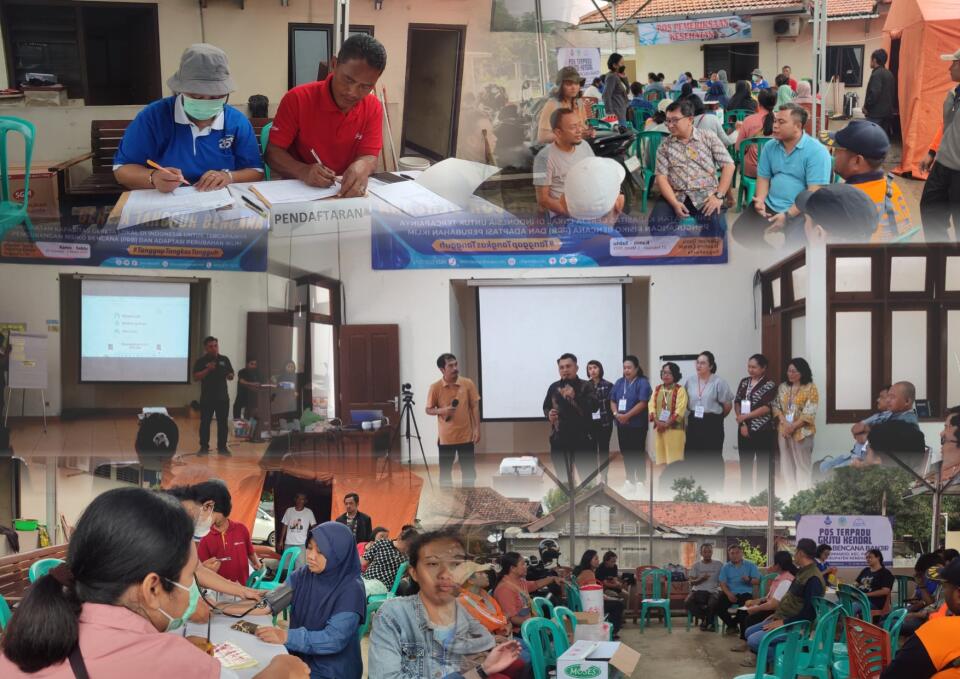
Indonesia is a disaster-prone area—from earthquakes, floods, and landslides to volcanic eruptions—which requires a swift, appropriate, and coordinated response. In response to this, the Sion Foundation established the Disaster Response Unit in 2006 in the wake of the earthquake in Yogyakarta. Operating under the Community Empowerment Division, this unit continues to work to this day to respond to every disaster threat and its impact with a spirit of humanity and mutual aid.
The primary objective of the Disaster Response Unit :
- enhancing community preparedness before and during disasters
- providing immediate assistance to survivors
- supporting holistic post-disaster recovery. Our services range from training in disaster mitigation, preparedness, and emergency response to rehabilitation and reconstruction, helping communities become more resilient in the face of future challenges.
The scope of activities covers three main areas:
- Klaten Regency (Sidorejo, Tegalmulya, and Telagawatu villages), located less than 7 km from the summit of the active Mount Merapi;
- The Special Region of Yogyakarta, specifically Pundong Subdistrict (Bantul) and Kemasan Village (Sleman), where we provided support to three women’s groups;
- Salatiga and the surrounding area, where we supported 20 GKJTU churches in becoming Disaster-Resilient Churches.
At each location, we also promote community well-being by establishing pre-cooperative groups and providing training in local skills—such as making soy milk and cultivating mushrooms—as well as offering financial reporting guidance to women with only an elementary school education.
Our activities include:
- Disaster training (mitigation, preparedness, emergency response, recovery),
- Establishment and support of community economic groups
- Health services—health checkups and health education—twice a year.
All of this was made possible through collaboration with our partners: Jakomkris and YEU (disaster response experts), the Sion Foundation’s Health Unit (doctors, nurses, and community health workers), as well as the local village government, which provided training accommodations.
Join Us! Disaster response is a shared responsibility. We invite individuals, organizations, and volunteers to get involved—whether through material donations, financial support, or by volunteering on-site as disaster response volunteers.